Halo Collar — consumer IoT, GPS dog-safety wearable
Halo Collar — Setup That Stopped Losing Users
The collar is hardware. The relationship is software.
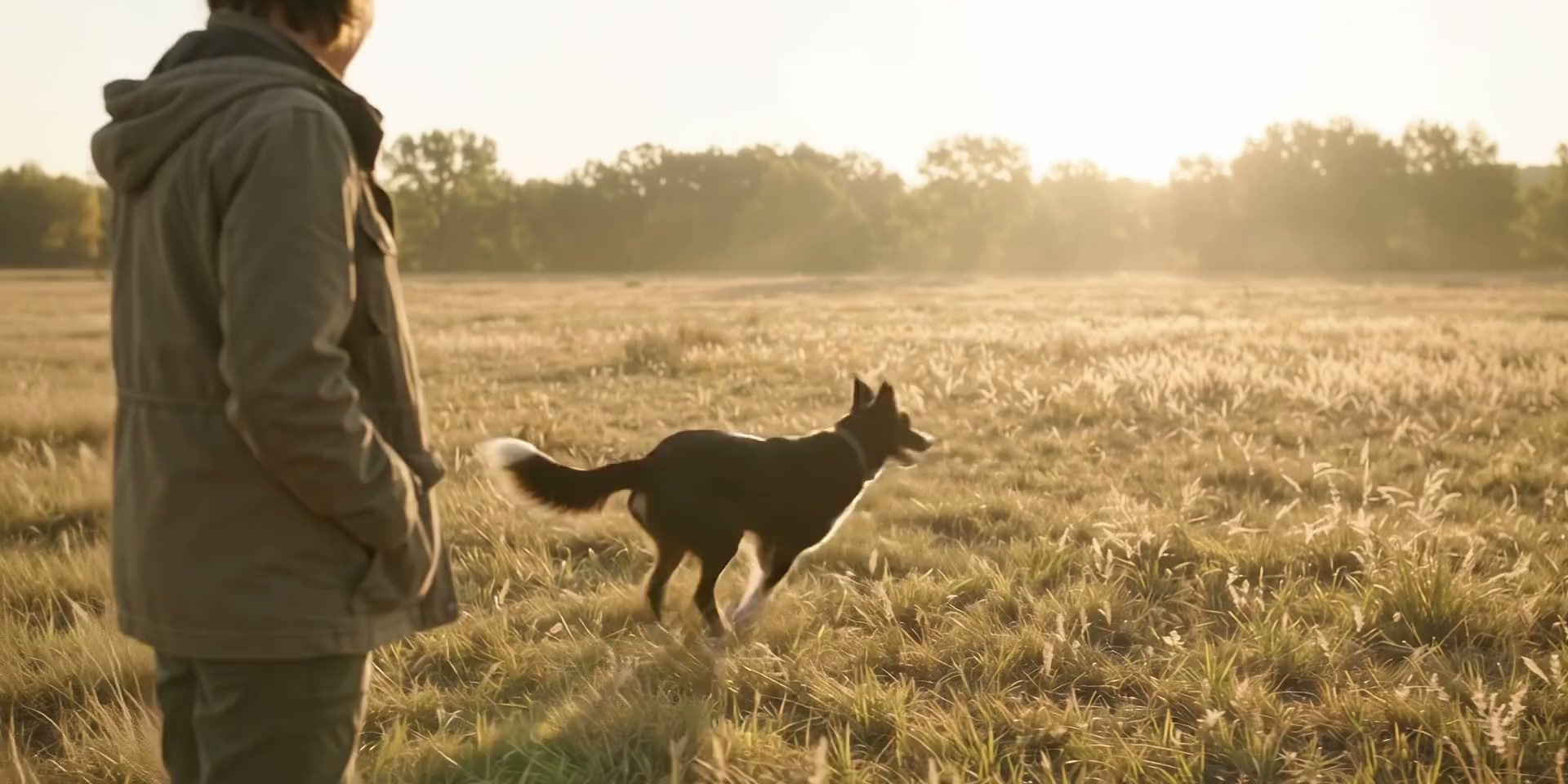
The challenge
A newly funded startup came to Softeq for the whole product around its GPS dog-safety collar: the iOS and Android app, the admin portal, every email. There was nothing before us. Onboarding took about 15 minutes, and most of it was video. The founder is one of the leading dog trainers in the US, and the training content was the product's real differentiator — so the requirement was that every new owner watch it in full, no skipping. The intent was right: an owner who doesn't understand the training method will misuse the collar, and with a containment product that has real consequences. But someone who has just unboxed an expensive device wants to see it work. Fifteen minutes of unskippable video before the first fence meant many never reached the fence at all. The hard part wasn't the interface. It was that the requirement came from genuine domain expertise, and arguing against it meant arguing with the person who knew dogs best.
What I did
1. Founded the design, then built the team around it. I scoped the engagement, produced the first concepts and the design architecture, then hired the project's first senior designer and directed the designers who followed — stepping back in hands-on whenever a feature needed it. Throughout, I worked directly with the hardware and ML engineers to translate device constraints into product decisions.
2. Made the training content skippable. I proposed letting owners skip videos and return to them later, keeping the content one tap away rather than mandatory up front. The argument wasn't that the training didn't matter — it was that an owner who abandons setup watches none of it, while an owner who reaches a working fence comes back for it. Getting that accepted took evidence and repetition, not a better mockup.
Fig. 01 — The app itself
Shipped screens
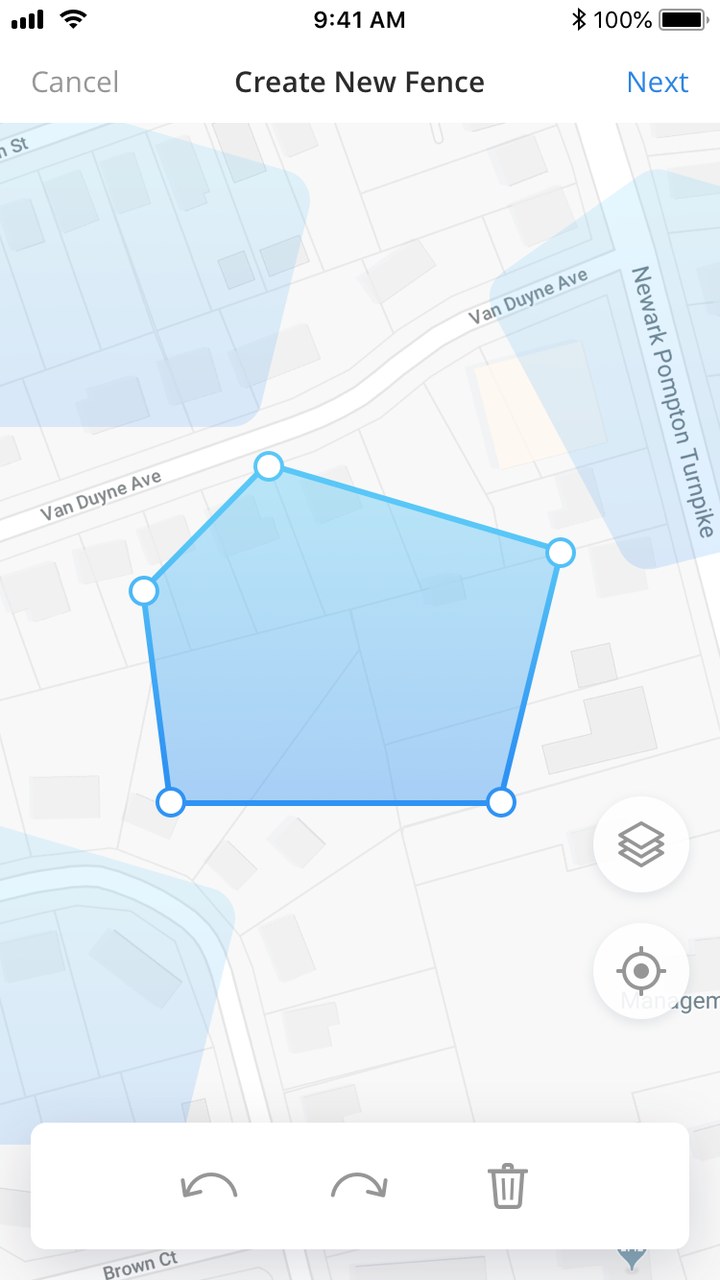
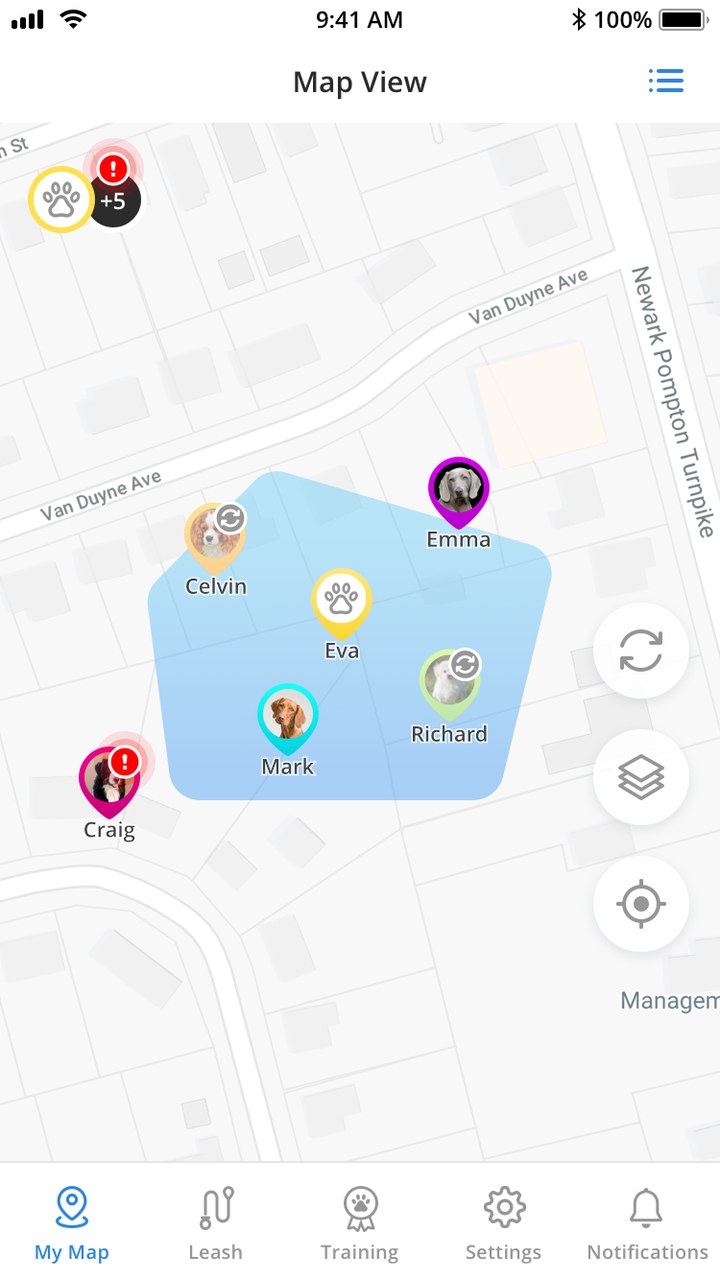
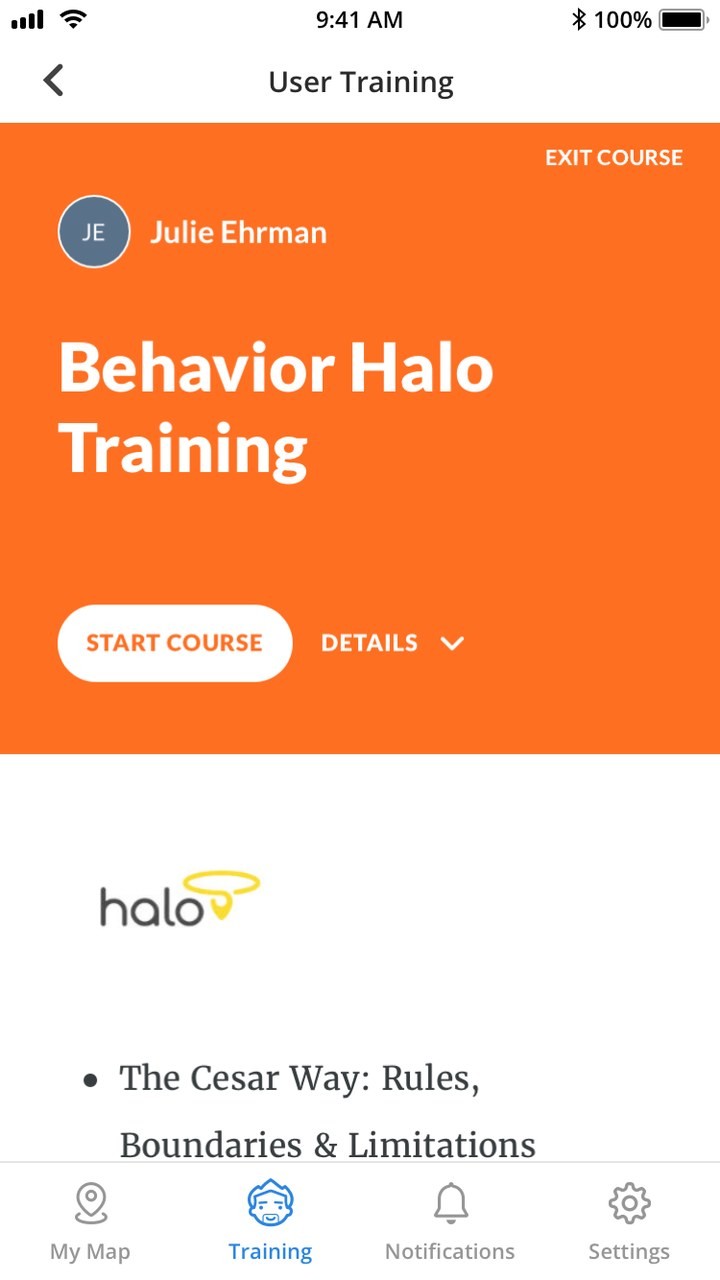
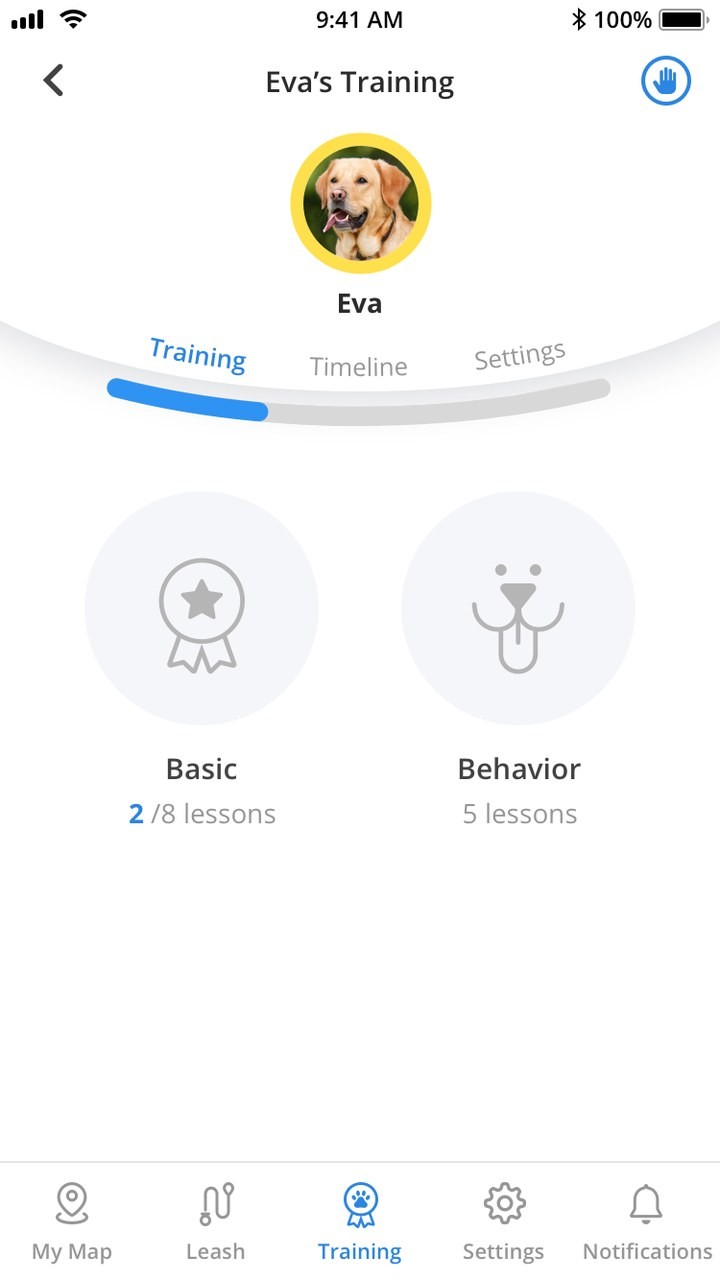
Fig. 02 — How the collar speaks to the dog
Product imagery: Halo
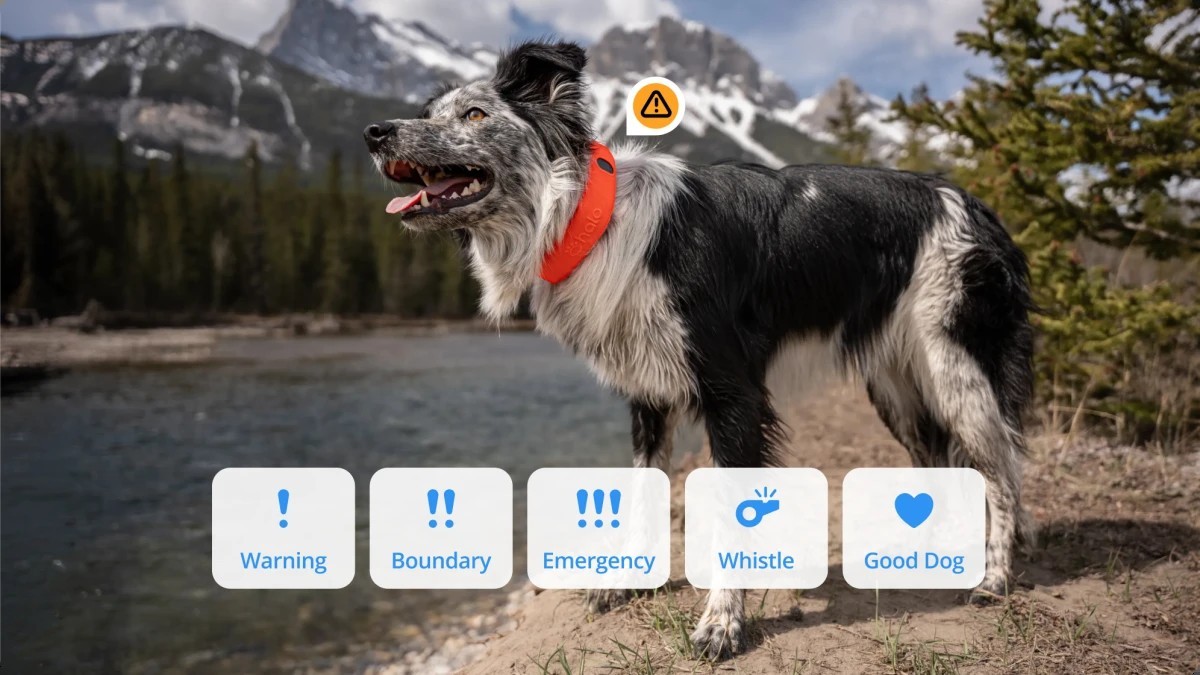
From a whistle to a boundary alert. The owner chooses the level in the app, which is why the training content and the hardware had to be understood as one product.
3. Field-tested the hardware, not just the screens. The engineering team asked me to run signal-accuracy tests with my own dog on an early prototype — several days of walking real routes and checking where GPS held and where it drifted. Designing a containment product without knowing how the signal behaves in the physical world produces interfaces that promise more than the hardware delivers.
Fig. 03 — One product, three surfaces
What the hardware dictates
01
The collar
Hardware the owner never configures directly
GPS and satellite positioning
Cellular link, SIM and firmware updates
Feedback to the dog, from a whistle to a boundary alert
Battery life
02
The app
iOS and Android — the only way in
Pairing and setup
Fences drawn on a map
Training programme with the founder’s method
Live tracking, activity
03
Admin portal and emails
What the company runs the product with
Collars and accounts
Firmware releases
Customer support
Every transactional email
Constraint, then decision
GPS holds in some places and drifts in others
I walked real routes with my own dog on an early prototype. The interface never promises more precision than the signal delivers.
The collar is set up, paired and updated only through the app
Every setup step delays the first working fence, so each screen had to justify itself against that one moment.
The training content is the differentiator, and it was a 15-minute gate
The videos stayed in the product, one tap away, and stopped standing in front of it.
Fig. 04 — What the app has to carry
Product imagery: Halo
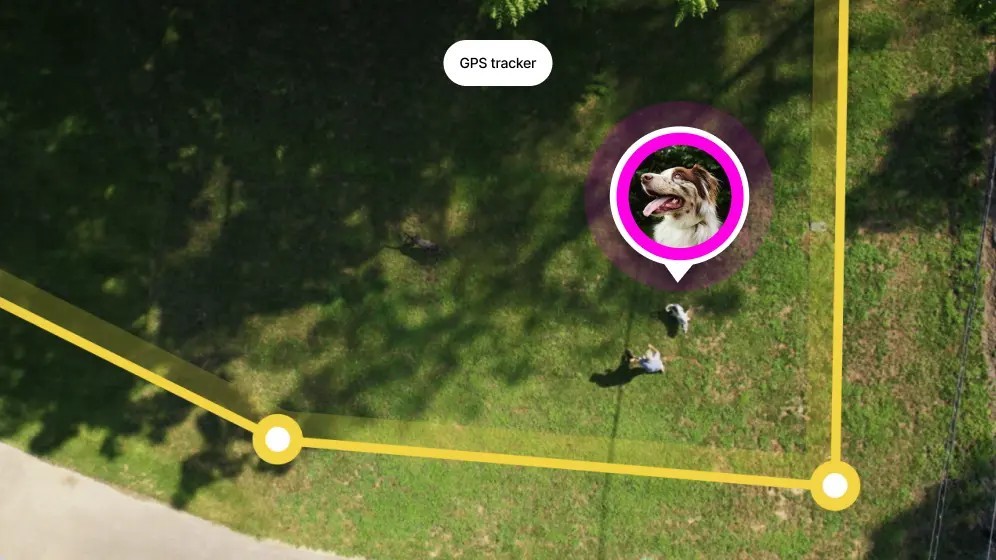
Live tracking
Live GPS tracking updates 4x per second in the app, more than any other tracker or GPS fence.
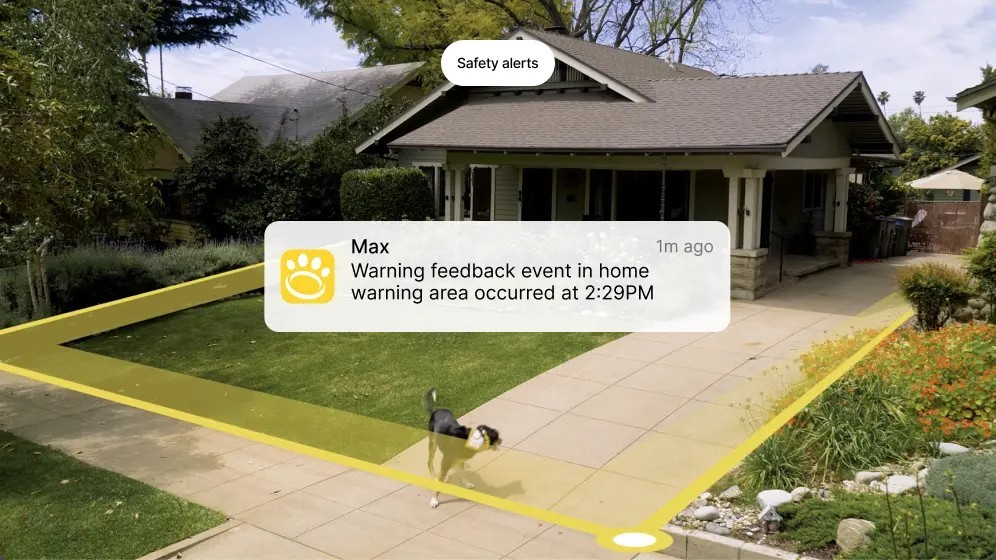
Auto protection
Halo protects your dog automatically — even without your phone nearby — and notifies you when they approach their boundary.
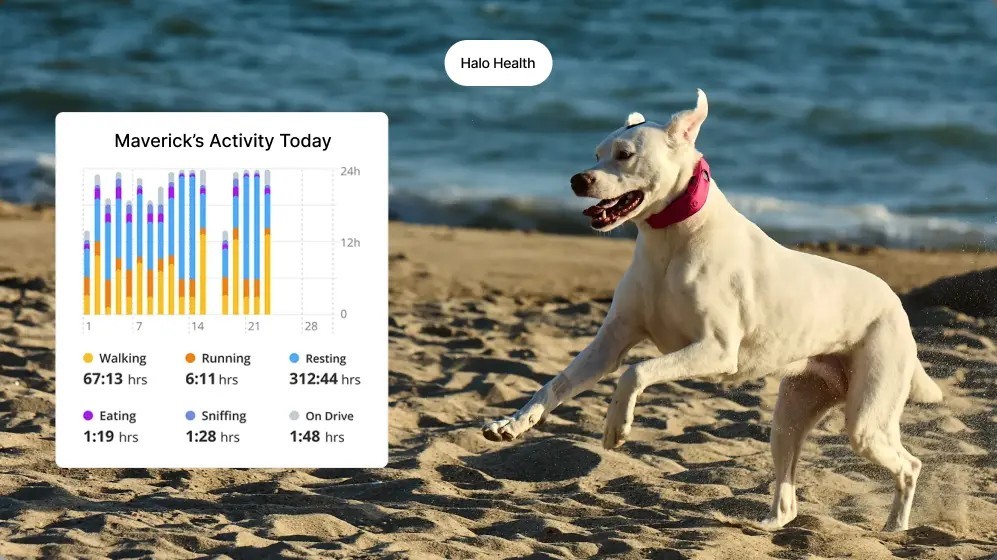
Activity tracking
Logs walks and tracks daily activity so you’re always connected to your dog’s health.
Three things the collar does on its own, and every one of them has to be readable on a phone held in one hand. That is the surface the setup flow leads into.
4. Led design across five rotating designers, staying hands-on through the hardest stages rather than delegating them.
The solution
Onboarding dropped from about 15 minutes to under two minutes — the training content stayed in the product, but stopped being a gate in front of it. The company closed its Series B at a $400M valuation (December 2021). The app holds 4.1★ on the App Store across 9K+ ratings and 100K+ downloads on Google Play. The product was named to TIME Best Inventions 2025 and won IoT Breakthrough awards in 2023 and 2024 — the product's recognition, not mine, but the app is how every owner meets it.
What I’d do differently
I won the skip argument with reasoning, and it took longer than it should have. What would have settled it in a week was data — a simple drop-off measurement showing where in the video sequence people left. I had the argument right and the evidence thin, and with a founder who knew the domain better than I did, that's the wrong way round.